

Ananda Device
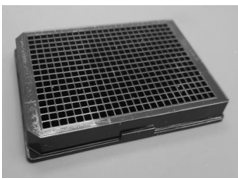
Ananda Device |
|
| description: | Ananda Devices develops and commercializes custom neuronal chips for high-throughput screening and analysis. Over 20 years of experience in neuroscience and tissue engineering. Currently 14 countries use our innovative solutions to simulate the brain, spi |
|---|---|
ANANDA product introduction
• Best-in-class high-throughput in vitro platform for neuronal network formation and screening
• 3000 neurons and 120 single axon replicates per sample
• Generate high-quality, reproducible results faster
• Compatible with industrial automation solutions such as liquid handlers and flat panel imagers
• Improve standardization, efficiency, reproducibility and reliability
• Reduce and replace animal experiments with more human-relevant models
Product advantages
Improved clinical relevance
Neuronal network organization resembles human physiology
standardization
All neural networks are grown, tested and analyzed under standardized conditions
reproducibility
Parallel axon organization patterns for easy comparison within and between tests
easy to analyze
Clear neuronal organization lowers barriers to analysis of complex neuronal networks
lower cost
Requires fewer cells, fewer reagents, fewer animals and less time
Application field
What you can do with NeuroHTS™ Preclinical testing: 1. Viral transport and MoA analysis 2. Drug screening test 3. Neurotoxicity assay
Human disease modeling: 1. Parkinson's disease 2. Spinal cord injury 3. Multiple sclerosis 4. Alzheimer's disease 5. Amyotrophic lateral sclerosis
Additional applications
• Receptor-ligand interactions
• Synapse formation
• Network formation
• Microglia formation
• Neuronal cell-to-cell communication with other cell types (eg microglia, astrocytes, etc.)
Technical parameter
• Virus transport in neurons (eg herpes virus, rabies virus, etc.)
• Axon growth
• Axonal degeneration and regeneration
• Axonal transport
• Reproduce in vivo cellular organization with 3 µm accuracy
• 1 mm + axon length
• Achieve >30 days of neuronal survival
• Save 90% on cells and reagents
• 60 times faster axon growth
• 50% faster results imaging
• Replace/reduce reliance on animal models
• Improve reproducibility and reliability of results through consistent, uniform culture of cell organization

 Scan QR Code & Subscribe