
APPLICATION
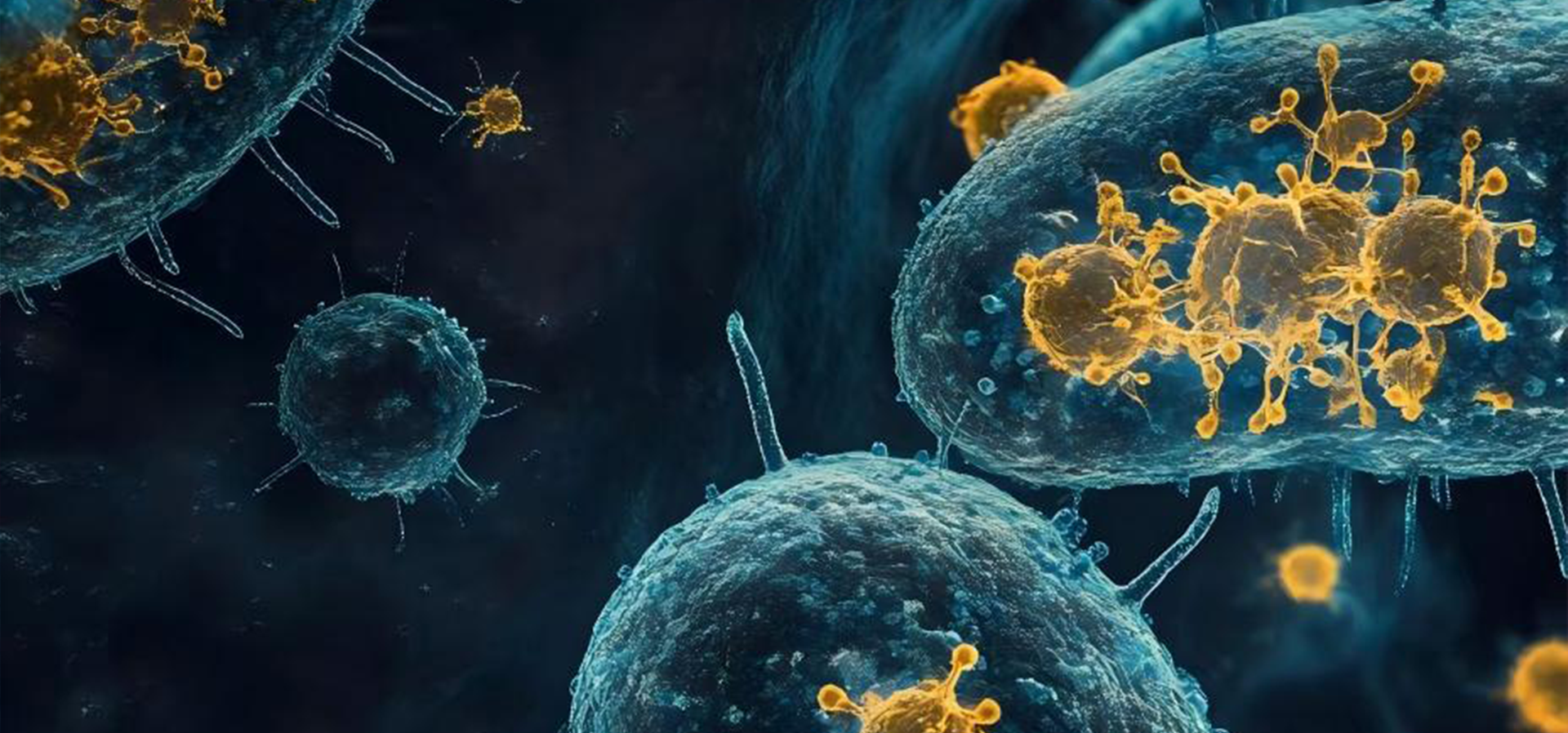
Microbiology mainly studies the morphological structures, metabolic patterns, genetic traits and ecological interaction mechanisms of microorganisms including bacteria, fungi, viruses and archaea. As a core basic discipline underpinning biomedicine, environmental engineering, food industry and biomanufacturing, it boasts great theoretical significance and engineering application value.
In the field of biomedicine
It focuses on pathogenic microorganism detection, pathogenesis research, vaccine and antibacterial drug development, hospital‑acquired microbial infection control, and human microecological balance regulation, delivering core technical support for disease diagnosis‑treatment and public health epidemic prevention.
In the field of environmental engineering
Leveraging microbial degradation and metabolic properties, it is applied to the treatment of organic pollutants in sewage, sludge and soil, as well as microbial management for water bodies and atmosphere, so as to realize ecological pollution remediation and environmental purification.
In the field of food and agricultural product processing
It covers screening of fermentation strains and process regulation, prevention of pathogenic and spoilage microorganisms in food, optimization of food preservation and aseptic processing technologies, safeguarding food safety and facilitating the R&D of functional foods.
In the field of bioenergy and biochemical engineering
Through strain modification and fermentation optimization, it enables biomass energy production, industrial enzyme synthesis, biological carbon fixation and green synthesis of chemical raw materials, boosting the development of low‑carbon biomanufacturing industry.
In the field of agriculture and ecology
It develops bio‑fertilizers and biopesticides. Beneficial microorganisms are adopted to improve soil quality, promote crop growth and prevent animal‑plant diseases, realize resource utilization of agricultural wastes, and advance the development of green ecological agriculture.
In the field of industry and public health
It undertakes microbial safety monitoring and control for clean workshops, public environments and drinking water, and explores extremophile microbial resources to comprehensively guarantee the safe and stable operation of biological, industrial and public environmental systems.

Cell biology mainly investigates the structural composition, proliferation and differentiation, signal transduction, substance transport, as well as apoptosis and senescence patterns of animal‑plant cells and microbial cells. It serves as a core basic discipline for life sciences, medicine, biotechnology and biological breeding, providing fundamental theoretical support for the interpretation of life mechanisms and bioengineering applications.
In the field of biomedicine
It focuses on deciphering mechanisms of diseased cells, studying tumor cell proliferation and invasion, regulating stem‑cell differentiation, and exploring cell‑damage repair mechanisms. It underpins the development of targeted drugs, cell therapy and regenerative medicine technologies, and facilitates the diagnosis and treatment of intractable diseases as well as new‑drug development.
In the field of biological breeding and agriculture
It is applied to crop‑cell mutagenesis breeding, plant tissue culture and rapid propagation, livestock‑and‑poultry cell germplasm improvement, and research on cellular mechanisms of disease and stress resistance. It enables efficient breeding of high‑quality and high‑yield new varieties and drives germplasm‑resource innovation for modern agriculture.
In the field of biotechnology and biomanufacturing
Based on cell‑culture and metabolic‑regulation technologies, it is used for engineered cell‑line construction, protein and antibody expression, and optimization of cell‑fermentation processes, supporting large‑scale green production of biological agents and raw materials for medical consumables.
In the field of development and regeneration
It studies the mechanisms of cell differentiation and tissue‑organ formation, and conducts research on stem‑cell repair, tissue regeneration and cell‑senescence regulation, delivering core theoretical and technical support for organ‑injury repair and anti‑aging research.
In the field of basic scientific research and public health
It reveals mechanisms of cellular stress and immune‑cell responses, and analyzes the action mechanisms of viral infection of host cells. It offers key evidence for infectious‑disease prevention‑control, immune‑disease research and exploration of fundamental life principles, and safeguards human health and biosafety.

Molecular biology mainly studies the structural functions, gene expression, genetic regulation and molecular interaction rules of biological macromolecules such as nucleic acids and proteins in organisms. As a core basic discipline for modern life sciences, precision medicine, genetic engineering and biological breeding, it provides key support for the research of micro‑level life mechanisms and the development of biotechnology.
In the field of biomedicine
It focuses on the discovery of disease molecular targets, analysis of gene mutations and pathogenic mechanisms, and development of genetic diagnosis and molecular detection technologies. It underpins the advancement of targeted drugs, gene‑based medicines and personalized medicine, and facilitates precision diagnosis and treatment of intractable diseases.
In the field of agricultural biotechnology
It is applied to mining of crop functional genes, gene‑editing breeding, resistance‑gene screening and molecular identification of germplasm resources. It breeds new high‑yield, stress‑resistant and high‑quality animal and plant varieties, and promotes the upgrading of precision breeding in modern agriculture.
In the field of bioengineering and synthetic biology
Based on gene cloning, vector construction and molecular modification technologies, it is used for engineered strain optimization, recombinant protein expression and biosynthetic pathway reconstruction, to realize green and efficient synthesis of biological products and chemical raw materials.
In the field of immunology and virology
It analyzes the molecular mechanisms of viral gene replication and infection, as well as the recognition and response mechanisms of immune molecules, providing important theoretical basis for vaccine development, antiviral agent research, and traceability and prevention‑control of infectious diseases.
In the field of basic life science research
It reveals the molecular essence of biological heredity, developmental differentiation, senescence and variation, and interprets the core mechanisms of species evolution and cellular life activities, offering underlying theoretical support for innovative research across various life‑science disciplines.

Material structure analysis mainly studies the microscopic atomic and molecular arrangements, crystal structures, functional‑group compositions and defect‑morphology characteristics of various materials, biological substances and chemical raw materials. As a core basic discipline for materials science, chemical inspection, biomedicine and new‑energy sectors, it delivers critical support for material‑property characterization and quality optimization.
In the field of material engineering
It focuses on crystal‑structure elucidation, detection of microscopic material defects and phase‑composition analysis. It supports the R&D and performance optimization of new functional materials and high‑strength structural materials, and guarantees the service stability of materials.
In the field of biomedicine
It is applied to the identification of drug molecular structures, protein crystal‑structure analysis and characterization of pharmaceutical excipient components, facilitating new‑drug molecular design, drug purity testing and formulation‑process optimization.
In the field of new energy
It covers structural analysis of battery electrode materials, microscopic‑morphology characterization of energy‑storage substances, and lattice‑defect detection for optoelectronic materials, providing data support for performance improvement and iterative upgrading of new‑energy materials.
In the field of chemical engineering and quality inspection
It is used for component‑and‑structure analysis of chemical raw materials, polymeric‑structure characterization of polymer materials, and detection of impurities and structural defects in industrial products, ensuring the quality and safety of chemical production and industrial goods.
In the field of environment and resources
It analyzes pollutant structures and microstructures of mineral components, and contributes to pollutant source tracing, environmental‑medium composition analysis and efficient development and utilization of mineral resources.

Optical imaging mainly studies light propagation and modulation, signal acquisition, image reconstruction and microscopic imaging mechanisms. Based on optics, photoelectric detection and image‑processing technologies, it is a core basic technical discipline for precision inspection, biomedicine, intelligent manufacturing and optoelectronic engineering, providing vital support for microscopic observation, precision detection and visual analysis.
In the field of biomedicine
It is applied to microscopic imaging of biological tissues, dynamic observation of living cells, fluorescence‑labeled imaging and pathological image detection, supporting research on life mechanisms, clinical pathological diagnosis and visual analysis of biological samples.
In the field of precision manufacturing
It focuses on workpiece surface topography imaging, microscopic defect detection and high‑precision dimensional measurement, ensuring the processing accuracy of precision components and improving the accuracy and stability of industrial product inspection.
In the field of optoelectronics and sensing
It involves imaging optimization of optical lenses, high‑definition image acquisition, optical signal noise reduction and imaging‑system commissioning, underpinning the iterative upgrading of optoelectronic equipment and the R&D of high‑precision vision systems.
In the field of environment and detection
It is adopted for optical imaging monitoring of water and atmospheric pollutants as well as microscopic‑morphology observation of environmental samples, enabling rapid identification and dynamic traceability monitoring of environmental contaminants.
In the field of scientific instruments
Leveraging super‑resolution imaging, laser confocal imaging and other technologies, it facilitates the observation of micro‑material structures and material morphology characterization, and delivers high‑precision visual technical support for research in various basic disciplines.

Pathology mainly studies the patterns of etiological factors, progression mechanisms, morphological structures, and abnormal functional‑metabolic changes of diseases. As a core bridging discipline linking basic medicine and clinical medicine, it provides fundamental theoretical evidence for disease diagnosis, condition assessment and clinical treatment.
In the field of clinical diagnosis and treatment
It is applied to human tissue and cellular pathological biopsy, lesion‑nature determination, as well as tumor typing and staging diagnosis, to precisely guide the formulation of clinical treatment regimens and prognosis evaluation.
In the field of disease research
It focuses on pathological alteration mechanisms including inflammation, necrosis, hyperplasia and carcinogenesis, and explores the onset and progression of various diseases, delivering core support for research into disease pathogenesis.
In the field of pharmaceutical R&D
It participates in pathological safety evaluation of drugs, pathological examination of animal models, and pathological verification of drug efficacy, facilitating new‑drug development and clinical translational application.
In the field of public health
It covers analysis of pathological mechanisms of infectious diseases, pathological traceability of intractable cases, and pathological‑feature analysis of mass‑onset diseases, supporting epidemic prevention‑control and assessment of public‑health incidents.
In the field of laboratory diagnosis
Based on pathological section preparation, special staining and pathological microscopic‑analysis technologies, it realizes precise detection of lesion samples and visual judgment of pathological features, ensuring the accuracy and standardization of clinical diagnosis.

Ultrastructure research mainly investigates the fine morphology, structural arrangement and abnormal change patterns of cells, tissues and biomacromolecules at the sub‑microscopic scale. Serving as a core basic discipline connecting micromorphology, pathology and molecular biology, it provides precise structural evidence for deciphering mechanisms of micro‑lesions.
In the field of biomedicine
It focuses on ultrastructural observation of cell membranes, organelles, cell nuclei and other components, distinguishes microscopic morphological differences between normal and pathological cellular states, and supports research on mechanisms of cell injury, apoptosis and pathological changes.
In the field of clinical pathology
It is applied to ultrastructural diagnosis of intractable diseases, hereditary diseases and tumors. It compensates for the limitations of optical microscopic observation and improves the diagnostic accuracy for difficult cases.
In the field of virology and microbiology
It analyzes the ultrastructural morphology of viral particles, bacteria and fungi, clarifies the structural mechanisms of microbial infection and proliferation, and facilitates research on infectious disease prevention and control.
In the field of biological R&D
It is used for micro‑structural verification of drug action targets and analysis of cellular ultrastructural alterations after drug intervention, offering support for drug efficacy evaluation and mechanism‑of‑action research.
In the field of basic scientific research
Electron‑microscopy‑based ultrastructural characterization of biological samples is performed to reveal the correlation between microscopic biological structures and their functions, providing underlying morphological evidence for diverse life‑science studies.

In‑vivo small‑animal imaging mainly relies on optical, fluorescence, bioluminescence and image‑sensing technologies to study the dynamic variation patterns of tissues, cells and molecular targets within living animals. It is a core experimental technical discipline for biomedicine, pharmacological research and tumor biology.
In the field of tumor research
It is used for dynamic monitoring of in‑vivo tumor growth, invasion and metastasis, enabling non‑invasive observation of tumor models and real‑time tracking of drug efficacy, and supporting research on anti‑tumor mechanisms.
In the field of pharmacology and new‑drug R&D
It is applied to the detection of in‑vivo drug distribution, metabolic accumulation and targeted tracing, to intuitively evaluate drug therapeutic effects and biosafety, and accelerate the new‑drug screening process.
In the field of immunity and inflammation
It monitors the migration of immune cells and dynamic changes of inflammatory lesions in living organisms, and elucidates the dynamic regulatory mechanisms of immune response and inflammatory progression.
In the field of biomedical animal models
It serves phenotypic observation of transgenic animals and disease‑model animals, and realizes long‑term, dynamic and non‑destructive detection of living samples to reduce experimental errors.
In the field of basic life‑science research
It tracks the expression of biomolecules, tissue repair and metabolic changes in living animals in real time, and provides visual technical support for research on dynamic mechanisms of life activities and fundamental medical innovation.


 Scan QR Code & Subscribe